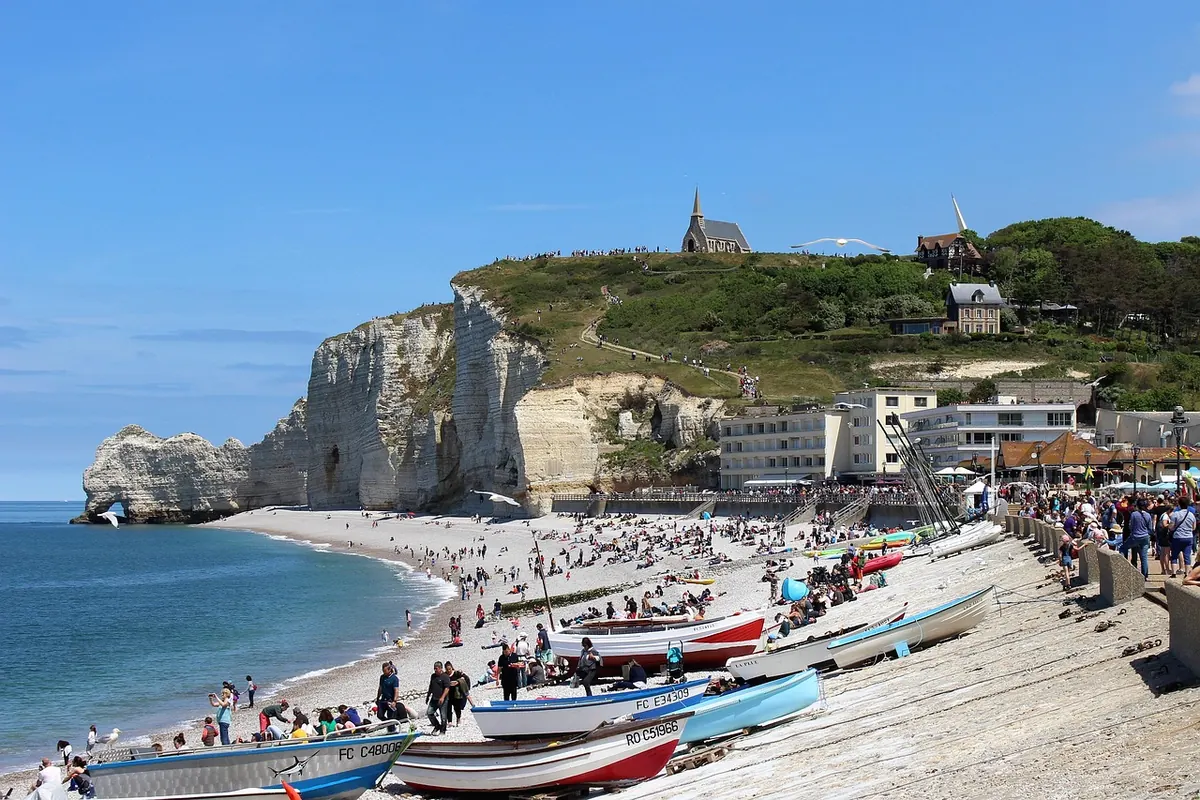
One Day in the Bay Without a Car: A Walkable Local Guide
Leave the car key in the drawer. The bay is at its best when you meet it at walking pace: shutters going up, fishermen sorting nets, the first espresso machine hissing somewhere behind a square. This itinerary keeps you on foot for a full day, with enough pauses to make the walking feel like a pleasure rather than a mission. Start early, carry water, and let the afternoon be slow.
First Light on the Waterfront
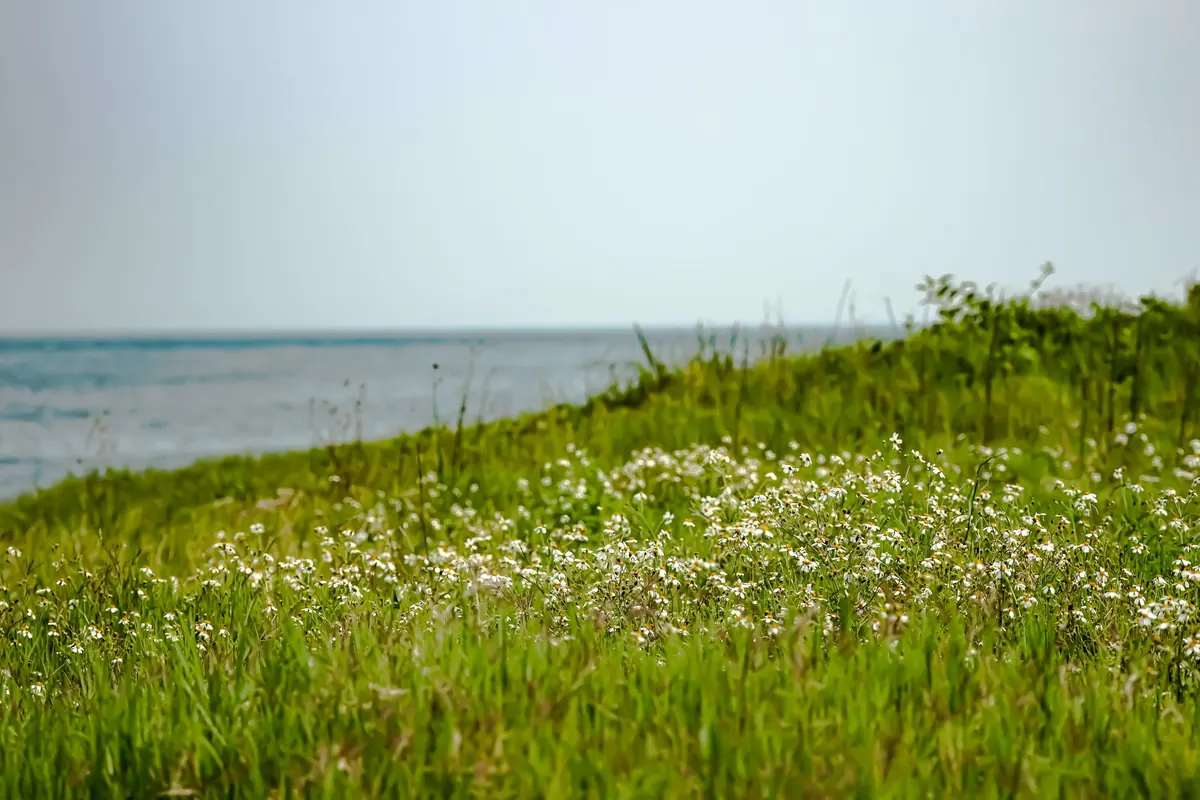
Begin where the town meets the water. A short promenade walk before breakfast does more than stretch your legs; it shows you the shape of the bay and helps you decide where to return later. Walk in the direction of the open water until the cafés thin out and the boats begin. Watch how the light catches the far side of the bay, and note the benches you might want at sunset.
Keep the first loop gentle. Twenty or thirty minutes is enough. Look for the small details that disappear once the day fills up: a cat on a mooring rope, a baker propping open a door, the smell of salt and hot stone. If you pass a bakery already open, buy something plain for later. You will be glad of it on the climb.
This is also the moment to check the day’s practicalities. Read the notices posted near the harbour, confirm opening hours if a place looks closed, and ask at your accommodation whether any local market or feast is running. A car-free day works best when you know which streets are pedestrian-only and which short cuts are actually staircases.
Coffee, Pastries, and the Morning Market
By mid-morning, head back toward the main square. Order coffee the way the regulars do: standing at the bar, a small pastry alongside. A cappuccino is fine in the morning; later in the day, many Italians switch to espresso. The point is not to linger over a three-course breakfast but to absorb the rhythm of the square before the tour groups arrive.
Then drift into the market if there is one. Even a modest morning market is a good introduction to the bay’s kitchen: tomatoes that smell of the vine, olives in deep bowls, cheese wrapped in paper, perhaps a stall selling dried oregano or preserved fish. You do not need to buy much. A handful of fruit and a bottle of water will keep the walk pleasant.
What to look for
- Seasonal fruit for the viewpoint stop: figs, peaches, or citrus, depending on the month.
- Bread or focaccia from a bakery with a queue of locals; it travels well in a day bag.
- A refill point for water, often near a fountain or public tap.
- A shaded bench on the edge of the square, useful for a two-minute map check.
If the market is small, do not rush through it. Buy one thing, ask what it is if you are unsure, and carry on. The pleasure of a car-free day is that small errands become part of the route rather than interruptions.
The Climb to the Viewpoint
After coffee, take the climb. Most bay towns have a terrace, church steps, or old tower that rewards a short ascent, and the view will help you understand the geography: where the coast bends, where the harbour sits, how the hills fall to the water. Choose the highest viewpoint that looks walkable from the square, and ask for the pedestrian route rather than the road.
The climb is usually steeper than it looks. Go slowly, use the handrail where there is one, and step aside for residents coming down with shopping bags. If the path divides, the lower route is often shadier and more interesting; the upper road may be quicker but hotter. Either way, stop once on the way up. A doorway, a wall, a scrap of garden — these are the things you remember.
Pack for the climb
- Water, even if the climb takes only fifteen minutes.
- A hat and sunglasses; stone streets throw back a lot of heat.
- Shoes with grip, not smooth soles.
- A light layer for the breeze at the top.
At the viewpoint, stay longer than you think you need to. Find the bench with the best angle, eat the fruit you bought at the market, and let the town arrange itself below you. This is not wasted time. It is the pause that makes the rest of the day feel unhurried.
Lunch in the Shade
Come down by a different lane if you can. The descent should be slower than you expect: narrow steps, low arches, laundry moving in the heat. Aim for lunch in the old centre, where the streets are shaded and the kitchens are close to the market. A simple plate of pasta, a grilled vegetable dish, or a shared platter is enough. Ask for the day’s special rather than working through a long menu.
If you prefer something lighter, build a picnic from what you already have: bread, cheese, tomatoes, olives. Eat it on a bench in a small square or on the harbour wall, out of the main flow of traffic. Carry your rubbish with you until you find a bin. In a small bay, that courtesy matters.
After lunch, do not schedule anything demanding. The middle of the day is for shade, a second coffee, a few pages of a book, or a slow look at a church interior if one is open. You will walk more later if you rest now.
An Afternoon of Small Stops
The afternoon is where a car-free day earns its keep. Instead of moving from sight to sight, link a handful of small stops within a comfortable loop. Stay close to the water, follow the lanes behind the promenade, and give yourself permission to turn back when you feel like it.
Good stops tend to be modest: a gelato eaten while walking, a shop selling local ceramics, a terrace overlooking the fishing boats, a quiet church with a cool stone floor. If you are travelling with children, plan the afternoon around a beach or a playground rather than a museum. If you are travelling alone, use the time to sit somewhere with a view and no particular task.
Keep the loop flexible. A useful rule is to stay within twenty minutes of your base on foot, so that the return never feels like a chore. If you find a café with a good table and a breeze, take it. The itinerary can wait.
Sunset at the Harbour
As the light softens, return to the waterfront. The harbour at sunset is the bay’s living room: people walking without a destination, children chasing pigeons, fishermen coiling lines. Find the bench or wall you noticed in the morning. If you booked an early dinner, choose a table with a view and order something simple; if not, have a drink and watch the boats settle.
This is also the best time for a final short walk. Follow the promenade until the town lights come on, then turn back. The streets feel different after dark, cooler and more intimate. Stay on lit paths, keep an eye on uneven steps, and carry a small torch or use your phone’s light for the darker lanes.
Practical Notes for a Car-Free Day
Walking the bay without a car is mostly a matter of pacing and preparation. You do not need special gear, but you do need to be honest about distances and heat. Check the weather before you set out, tell your accommodation roughly where you are going, and keep a little water in reserve.
- Start early. The best light and the emptiest streets are before mid-morning.
- Wear broken-in shoes. Cobbles and stairs punish new sandals.
- Carry cash for small stops. Not every market stall or café takes cards.
- Check opening hours for churches, museums, and viewpoints; many close in the middle of the day.
- Use local transport sparingly if a bus or ferry saves a long, hot walk, but keep the day mostly on foot.
If you have mobility limitations, choose a shorter waterfront route and use the flattest lanes; ask locally about step-free access, which is rarely obvious from a map. And if the heat becomes intense, stop. A car-free day should leave you with a better sense of the bay, not a determination to prove anything. Walk, pause, eat, repeat — then watch the lights come on from the harbour.
Photo: wobbut / Pixabay