What to Pack for a Bay-Side Stay in Shoulder Season: A Printable Checklist
A bay-side stay in spring or autumn rarely follows a single script. The morning can be bright and still enough for coffee outside; by early afternoon the wind pushes whitecaps across the water; by evening you are glad of a scarf. Packing well for that kind of weather is less about taking more and more about taking pieces that work together, dry quickly, and don’t mind being folded into a day bag. Use this checklist as a starting point, then adjust for your own habits and the length of your stay.
Build around three layers, not three outfits
The most useful packing rule for coastal shoulder season is simple: think in layers. A base layer manages moisture, a mid layer adds warmth, and an outer layer handles wind and rain. If each piece works with the others, you can dress for a cool morning, peel down for a sunny lunch, and add everything back for a breezy evening without carrying a separate wardrobe for each scenario.
The base layer
Choose two or three light long-sleeve tops in merino wool or a synthetic blend. They regulate temperature better than cotton, dry faster, and can be worn again after a day or two if aired overnight. A short-sleeve option is useful if you run warm or plan to walk during the middle of the day.
The mid layer
Bring one light fleece, one thin sweater, or one quilted vest. A packable vest is especially handy by the water because it keeps your core warm without adding bulk to your arms. If you feel the cold, add a second mid layer that can be worn alone on milder days.
The outer layer
A packable rain shell with a hood is worth more than a heavy coat on most shoulder-season trips. Look for something wind-resistant as well as waterproof, and check that it fits over your mid layer without feeling tight. A shell that blocks wind is often the difference between a pleasant waterfront walk and a short one.
Clothing that earns its space
Shoulder season is neither beach weather nor deep winter. Aim for pieces you can wear twice, mix easily, and wash in a sink if needed. Darker colours hide travel marks; lighter colours feel better on sunny afternoons. The goal is a small wardrobe that covers walks, dinners, and the odd change in plans.
- Two or three base layers, plus one short-sleeve top
- One or two mid layers, such as a fleece, thin sweater, or quilted vest
- One waterproof, wind-resistant shell with a hood
- One pair of quick-drying trousers for walking and travel days
- One pair of jeans or smarter trousers for evenings
- One pair of shorts or a skirt if you tend to run warm
- One smart-casual outfit for a nice dinner or a spontaneous invitation
- A swimsuit, even if you only plan to paddle
- Socks and underwear for each day, plus one spare set
- A scarf or buff, a light beanie, and a cap for sun or wind
Cotton is comfortable, but it dries slowly and feels cold when damp. Keep cotton for evenings and sleepwear, and lean on quick-dry fabrics for daytime layers. A single lightweight scarf does a lot of work: it warms your neck on a boat, covers your shoulders in a breezy restaurant, and doubles as a pillow on the journey.
Footwear and the day bag
Shoes are where light packing often fails. Coastal paths can be uneven, wet, or dusty within the same walk, so bring footwear you have already broken in. Two pairs are usually enough: one for walking and one for evenings or the water. If you plan to hike, add a lightweight pair with grip rather than a heavy boot.
- Broken-in walking shoes with a good sole
- Waterproof shoes or ankle boots for wet paths and cool evenings
- Sandals or flip-flops for the waterfront and shared bathrooms
- Optional lightweight hiking shoes if your itinerary includes trails
The day bag
A small backpack or crossbody bag should hold what you need for a half-day out without becoming a suitcase. Keep it light enough to carry comfortably, but stocked enough that you don’t have to return to the room every time the weather turns.
- Compact umbrella
- Reusable water bottle
- Power bank and charging cable
- Light scarf or spare layer
- Small dry bag for phone, wallet, and camera
- A snack for long walks or delayed ferries
Bay-side extras: water, wind, and low sun
Even a mild day can feel cooler beside the water, and the sun can be stronger than it looks when it reflects off the bay. A few small extras make the difference between watching the view for ten minutes and settling in for an afternoon.
- Sunglasses with good coverage
- A sun hat that stays on in wind
- Sunscreen and lip balm with sun protection
- A quick-dry travel towel
- Binoculars if you enjoy birdlife or boats
- Insect repellent for mild evenings near the water, if mosquitoes bother you
- A light, windproof layer that packs into its own pocket
The small things that rescue a day
These items are not glamorous, but each one earns its place the first time you need it. Pack them in a small pouch so you are not searching the bottom of your bag at the wrong moment.
- Blister plasters and a few ordinary plasters
- A small first-aid kit with antiseptic wipes
- Personal medications in their original packaging
- Laundry sheets or travel detergent for sink washing
- Zip-top bags for damp clothes, shells, or snacks
- A reusable shopping bag
- Earplugs and an eye mask if you are a light sleeper
- A stain remover pen
- Spare glasses or contact lenses if you wear them
- Printed or offline copies of booking details
If you take prescription medicine, keep it in your hand luggage and speak to your pharmacist or doctor about what you need for the trip. The same goes for any health concern that might affect walking, swimming, or time in the sun.
The printable checklist
Print this section and tick items off as you pack. Adjust quantities for the length of your stay, and add anything specific to your plans, such as camera gear or a good book.
- Layers: two or three base layers; one or two mid layers; packable vest; waterproof shell
- Clothing: quick-dry trousers; jeans or evening trousers; shorts or skirt; smart-casual outfit; swimsuit; socks; underwear; sleepwear
- Accessories: scarf or buff; light beanie; cap; sunglasses; belt
- Footwear: walking shoes; waterproof shoes; sandals
- Day bag: small backpack or crossbody; compact umbrella; water bottle; power bank; dry bag; snack
- Sun and water: sunscreen; lip balm; sun hat; quick-dry towel
- Useful small items: blister plasters; first-aid kit; personal medications; laundry sheets; zip bags; reusable bag; earplugs; eye mask
- Documents and tech: ID; booking details; charger; plug adapter if needed; offline map
- Leave behind: heavy coat; multiple pairs of shoes; bulky beach towels; formal wear you won’t use; duplicate “just in case” items
The night before you leave
Lay out your travel outfit, put the rain shell at the top of your bag, and charge your phone and power bank. Fill your water bottle, download an offline map, and check your booking details one last time. A five-minute review before you zip the bag is usually enough to catch the one item you would otherwise spend the first day looking for.
Shoulder season rewards a little preparation. With the right layers and a small, sensible kit, you can spend less time worrying about the weather and more time enjoying the bay as it changes from hour to hour.
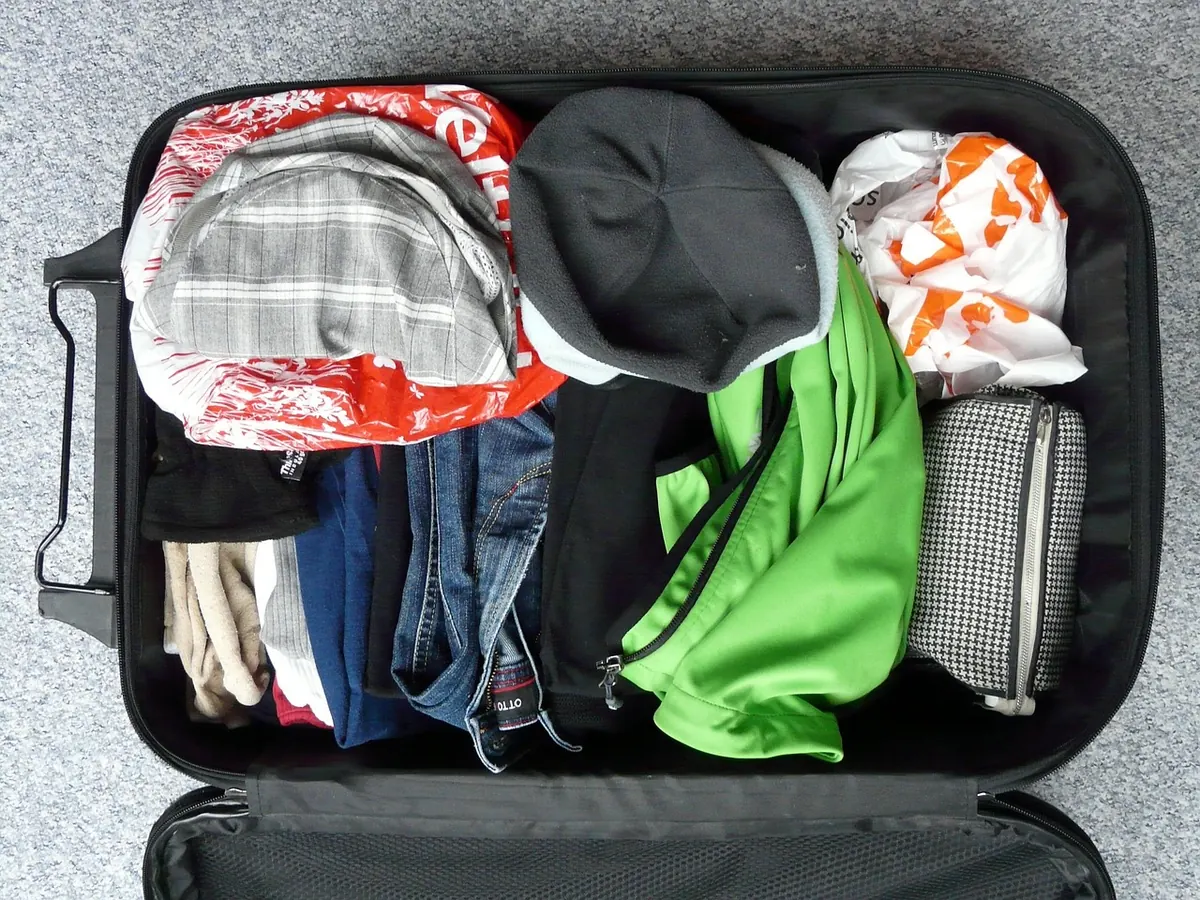
Photo: Hans / Pixabay